INVALUABLE INSIGHTS & FAQ

One of the most common questions I hear, especially from artists, is “What is my art worth?” While this is a completely valid question, it’s important to understand that the answer depends entirely on the context. There is a big difference between pricing art and appraising art, and knowing which is appropriate can save a lot of confusion and lead to better decisions for everyone involved.

Appraising fine art is a meticulous process that requires a deep understanding of art history, market trends, and valuation techniques. This blog post walks you through the appraisal process from the initial contact to the final report submission, highlighting the careful steps and techniques involved.

Understanding how appraisers charge for their services can be confusing. This blog post aims to clarify how appraisal fees are determined, emphasizing the importance of hiring a qualified professional who adheres to ethical standards.

More often than not, clients request an appraisal, assuming that there is a one-size-fits-all report that can satisfy any need. However, valuation services are more nuanced, with each type tailored to specific purposes. Understanding these differences is crucial in ensuring that you receive the appropriate report for your needs, whether it's for insurance, estate planning, donation, resale, etc.
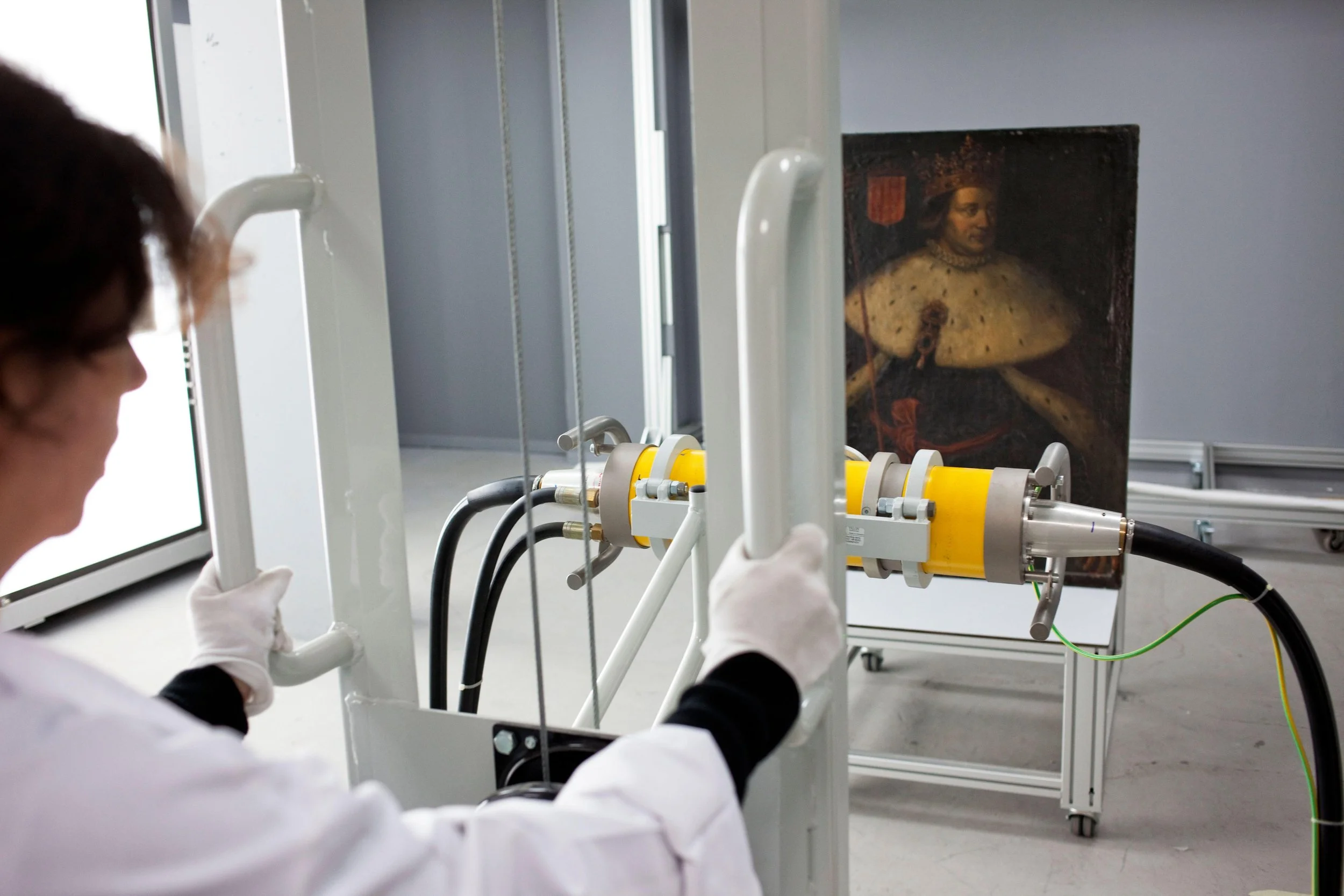
Art appraisers often get asked to authenticate works of art from the general public. An understandable request since the value of a work of art is undoubtedly tied to its authenticity. If authenticity is in doubt so is its value. So, do appraisers also authenticate art?

Risk is always involved when there's a question about the value of your personal property – including fine art. By providing a written opinion of value upon which you can base your financial decisions, a professional appraiser can help you mitigate these and other such risks.

Understanding the Difference Between the Primary and Secondary Art Markets
As an art appraiser, I often encounter collectors—both seasoned and new—who grapple with the distinctions between the primary and secondary art markets. These two interconnected but distinct realms are vital to understand if you wish to navigate the art world successfully, whether you're acquiring works for aesthetic pleasure, investment, or both. Let’s break down these markets, their nuances, and how they operate to help you make informed decisions.

Investing in Art: A Guide for New Collectors
Investing in art is a journey that requires patience, education, and a keen eye. By leveraging appraisals, conducting thorough research, and staying informed about market dynamics, new collectors can build a thoughtful and valuable collection.