Independent, trusted, professional
fine art valuation services
Engage a Credentialed Appraiser
In a self-regulated industry, working with a qualified, credentialed fine art appraiser is essential to ensure accurate, unbiased valuations. Knowing the true value of your fine art assets empowers you to make informed financial decisions and protect your investments. We provide ethical, conflict-free appraisals backed by research, expert insight, and clear analysis—delivering defensible valuations you can trust.

Appraisal Expertise and Services
Our expertise in appraisal services extends to a diverse range of clients, including; private and corporate collectors, insurance providers, financial professionals, museums, non-profits, government agencies, law firms and more. We provide tailored, professional appraisals and advice, ensuring each client receives accurate and reliable assessments to meet their specific needs.

ABOUT APPRAISALS & INDUSTRY STANDARDS

In the world of professional appraisals, shortcuts come at a cost — and it’s usually yours. An appraisal can significantly impact your financial outcome. Yet, a disturbing trend continues to surface: the one-page appraisal. Let’s explore why they are unprofessional, unreliable, and unsafe.

In the world of art appraisal, trust is everything. Whether working with attorneys, museums, insurers, or estate planners, clients rely on appraisers not only for our knowledge and experience but for our integrity. The value we provide lies not just in the numbers we report, but in the professionalism, impartiality, and ethical rigor with which we approach every assignment.

The Uniform Standards of Professional Appraisal Practice (USPAP) is much more than just a set of guidelines; it is the cornerstone of ethical and professional practice in the appraisal industry. Let's delve into what USPAP is, why it is important, and how it serves as a critical credential for appraisers, especially in an industry where there is no formal licensing for personal property appraisers.

Risk is always involved when there's a question about the value of your personal property – including fine art. By providing a written opinion of value upon which you can base your financial decisions, a professional appraiser can help you mitigate these and other such risks.

It is essential for clients to understand the ethical standards and professional guidelines that govern the appraisal industry. This understanding helps clients know what to expect from a reputable appraiser, ensuring that the service they receive is transparent, impartial, and in line with established industry standards.
IN FOCUS
Insurance and Fine Art Appraisals

Protecting art in the face of climate change requires both vigilance and adaptability. By reviewing and upgrading insurance policies, enhancing storage and display conditions, and planning for future risks, collectors can ensure that their treasures withstand the test of time. With climate change posing an existential threat to our shared heritage, taking action today is an investment not only in the value of art but in its legacy for generations to come.

Navigating insurance claims involving art requires a deep understanding of both the art market and the insurance industry. Appraisals are the cornerstone of this process, ensuring that the value of lost, stolen, or damaged art is accurately reflected in the compensation offered by insurance companies.

Accidents can happen, and its best not to wait for such unfortunate unforeseen events to occur. Most often individuals either assume that their homeowners insurance will cover fine art or neglect to insure their fine art completely. Are you adequately covered and insured?

The most vulnerable moment in the life of a piece of art is when it’s on the move. Whether being transported to a private collector, loaned to a major exhibition, or moved to a new home, the act of relocating art presents a unique set of risks. While most artworks enjoy the relative safety of controlled environments like museums, galleries, or climate-regulated storage facilities, the journey between these spaces can be fraught with challenges.
IN FOCUS
The Intersection of Art, Law and Taxes

Art has always been more than just a reflection of culture and society; it has the power to influence, educate, and inspire. Beyond its aesthetic and cultural significance, art can also play a vital role in philanthropy, offering substantial benefits both to the donor and the recipient. When it comes to donating art, whether to museums, universities, or charities, the process of appraising the artwork is crucial.
Estate planning is a critical process that ensures a smooth transition of assets from one generation to the next. For Canadian attorneys and estate planners, understanding the value of a client's assets, particularly fine art, antiques, and other collectibles, is essential. An accurate appraisal can significantly impact tax liabilities, the distribution of assets, and the overall estate plan.

At the intersection of art and law, the role of appraisers is to provide objective, neutral valuations that attorneys can rely on in legal disputes. Attorneys who understand the importance of this neutrality can effectively use appraisals to support their cases, knowing that these valuations will stand up to legal scrutiny and contribute to fair and just outcomes in legal disputes.

Art lending and financing, where artworks serve as collateral, have become a growing trend among collectors and investors. Central to this process is the art appraiser, whose role is crucial in determining the value of artworks used as collateral.
AUTHENTICATION & PROVENANCE

In the art world, provenance—the history of ownership and origin of an artwork—plays a crucial role in determining its value. An artwork's provenance can elevate its market value, enhance its historical significance, and increase buyer confidence. Conversely, gaps or uncertainties in provenance can diminish an artwork's value, or worse, cast doubt on its authenticity.
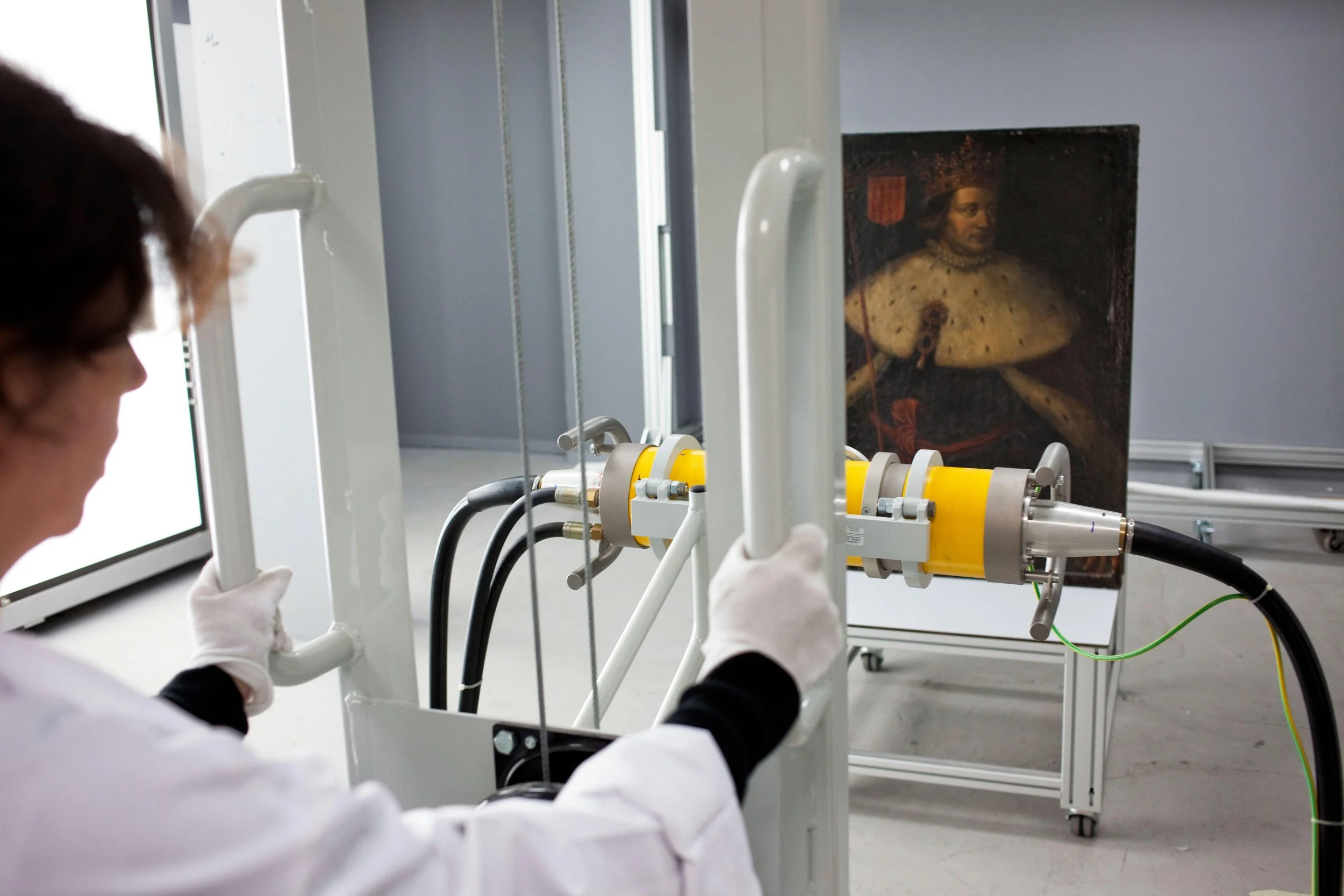
Art appraisers often get asked to authenticate works of art from the general public. An understandable request since the value of a work of art is undoubtedly tied to its authenticity. If authenticity is in doubt so is its value. So, do appraisers also authenticate art?

The widespread circulation of forged Norval Morrisseau paintings has cast a long and damaging shadow over his legacy, the art market, and the professionals who engage with his work. The presence of even a small number of forgeries in the market can cause hesitation among buyers, but in the Morrisseau scandal, authorities uncovered hundreds, if not thousands, of fakes.

Navigating the world of art fraud and forgery is a daunting task, but with the right knowledge and resources, it is possible to protect yourself and your investments. Professional appraisers are invaluable allies in this endeavor, providing the expertise needed to identify forgeries, verify authenticity, and ensure that the art market remains as transparent and trustworthy as possible.
IN FOCUS
Art Market Insights

In today’s digital world, nearly every profession is being transformed by technology. The field of personal property appraising is no exception. From high-resolution imaging and blockchain provenance records to AI-powered market analysis, tech is changing everything. But even with these powerful tools at our fingertips, one thing remains constant: the irreplaceable value of human expertise.

One of the most common questions I hear, especially from artists, is “What is my art worth?” While this is a completely valid question, it’s important to understand that the answer depends entirely on the context. There is a big difference between pricing art and appraising art, and knowing which is appropriate can save a lot of confusion and lead to better decisions for everyone involved.

As an art appraiser, I often encounter collectors—both seasoned and new—who grapple with the distinctions between the primary and secondary art markets. These two interconnected but distinct realms are vital to understand if you wish to navigate the art world successfully, whether you're acquiring works for aesthetic pleasure, investment, or both. Let’s break down these markets, their nuances, and how they operate to help you make informed decisions.

In the intricate world of art, collaboration between appraisers, museums, and galleries plays a crucial role in preserving and valuing cultural heritage. Whether it’s for insurance valuations, loan agreements, or donation assessments, appraisers bring specialized expertise that benefits both the institutions and the art itself. Here’s how this collaboration unfolds and why it’s essential for museums to work with accredited appraisers.
